

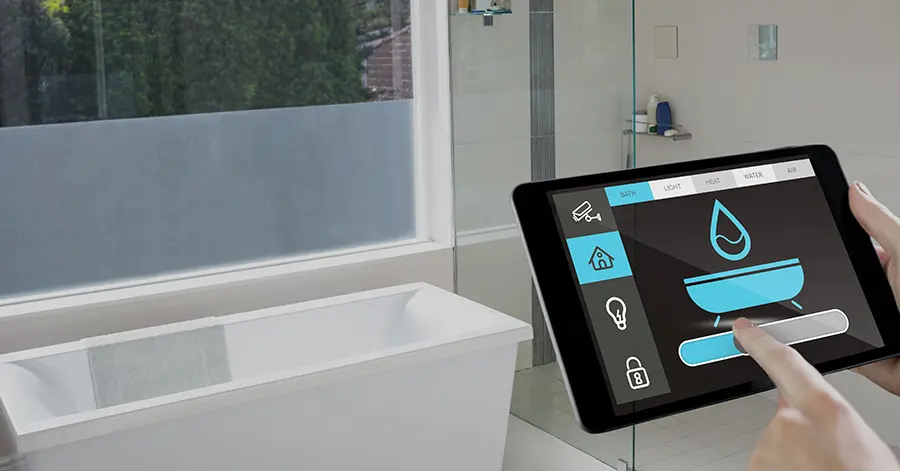
Most smart plumbing tech is marketing. A handful of devices, leak sensors and automatic shutoff valves especially can genuinely save your home from a flood. Here’s what’s worth it and what it costs.
Most smart plumbing tech is marketing. A handful of devices leak sensors and automatic shutoff valves especially can genuinely save your home from a flood. Here’s what’s worth it and what it costs.
Of all the “smart plumbing” products on the market, two categories are actually worth your money: leak sensors and automatic water shutoff valves. A whole-home shutoff system runs $500 to $1,350 installed, while standalone battery sensors cost $20 to $60 each and need no installation at all. Both can also lower your homeowners insurance premium by 5% to 15%, since insurers know they prevent the kind of water damage claims that cost thousands to repair.
Everything else in the “smart home plumbing” category voice-activated faucets, smart toilets, app-controlled irrigation is genuinely nice to have, but it’s convenience, not protection. If you’re deciding where to actually spend money, it’s worth separating the devices that prevent a disaster from the ones that just make your morning routine a little smoother.
Leak Detection: The Best Money You Can Spend
Standalone leak sensors are small battery-powered pucks you place near a water heater, under a sink, or behind a washing machine. They detect moisture and send an alert to your phone no plumber required to install them, and at $20 to $60 each, it’s reasonable to put one anywhere a slow leak could go unnoticed for weeks.
Whole-home systems go a step further, monitoring water flow and pressure throughout your plumbing and shutting the water off automatically if they detect a burst pipe or major leak. Brands like Flo by Moen, Phyn Plus, and StreamLabs Control fall in this category, and installed cost typically runs $500 to $1,350 depending on the system and your home’s plumbing layout. Because installation involves cutting into your main water line and tying into Wi-Fi, this is the one category where professional installation isn’t optional — a poorly placed valve can fail at the exact moment you need it.
| Device Type | Typical Cost | Professional Install Needed? |
|---|---|---|
| Standalone leak sensor (battery puck) | $20 – $60 each | No |
| Whole-home leak detection + auto shutoff | $500 – $1,350 installed | Yes |
| Smart Wi-Fi water heater | Comparable to a standard unit, plus $50–$150 for the smart upgrade | Yes |
These are 2026 market-typical ranges for the devices and installation, not Silverback’s fixed pricing. Brand names above are reference points for consumers researching options, not an endorsement or claim of partnership.
The Insurance Discount Most Homeowners Don’t Know About
Many home insurance carriers offer a 5% to 15% premium discount for homes with an installed leak detection and automatic shutoff system, since these devices measurably reduce the size and frequency of water damage claims. Over a few years, that discount alone can cover a meaningful share of the installation cost it’s worth asking your insurer directly what they offer before you buy a system, since the discount and qualifying device list vary by carrier.
Smart Water Heaters
Wi-Fi-enabled water heaters let you adjust temperature, monitor energy use, and set a vacation mode from your phone, and many newer models include built-in leak detection at the tank itself a useful pairing if you’re researching tank or tankless water heater installation already. The smart features typically add a modest amount to the cost of an otherwise comparable unit rather than representing a separate large expense.
Worth Mentioning, Not Worth Leading With
Smart irrigation controllers, voice-activated faucets, and app-connected smart toilets are real products that work as advertised, and some homeowners genuinely enjoy them. They just don’t belong in the same conversation as leak detection in terms of priority none of them will save your home from a flood, and most are a comfort upgrade rather than a protective one. If budget is limited, leak sensors and a shutoff valve come first.
Frequently Asked Questions About Smart Plumbing Devices
Do smart shutoff valves work with well water, or only city water?
Most systems work with either, since they monitor flow and pressure at the point where they’re installed rather than relying on a municipal connection. Confirm compatibility with your specific well setup before buying.
Will a leak detector still work during a power outage?
Battery-powered standalone sensors keep working during an outage. Whole-home systems that rely on Wi-Fi for alerts may lose remote notification capability if your router loses power, though many still trigger a local shutoff. Check the specific system’s backup behavior before relying on it.
Can I install a leak sensor myself, or do I need a plumber?
Standalone battery sensors are designed for DIY placement — no plumbing knowledge required. Whole-home shutoff systems involve cutting into your main water line and should be installed by a licensed plumber to make sure the valve is sized and placed correctly.
Does a smart shutoff valve replace the need for yard leak detection?
No. A shutoff valve protects the plumbing inside your home, but leaks in a yard or under a slab often occur outside that monitored area. If you suspect a hidden leak in your yard, that’s a separate diagnostic process — see our yard leak detection service for how that’s handled.
How much will my insurance premium actually drop with a smart shutoff system?
It varies by carrier, typically 5% to 15%. Call your insurance company directly and ask which specific devices qualify before you purchase one, since not every system meets every insurer’s criteria.
Start With Protection, Add Convenience Later
If you’re upgrading your home’s plumbing tech for the first time, a leak detection and shutoff system is the one purchase that pays for itself by preventing a single bad leak. Everything else on this list is a nice add-on once that’s handled. If you’re not sure whether your home already has a hidden leak, our yard leak detection and repair page covers how we find and fix those before they get expensive.
Talk to a Plumber About Smart Leak Protection
We’ll help you figure out which system fits your home and plumbing layout, and install it correctly the first time.